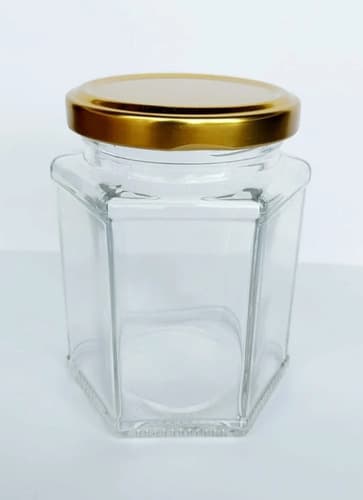
Why We Pack in Glass: The Case Against Plastic in Your Kitchen
Every major spice brand packs in plastic. It is cheaper, lighter, easier to ship. We chose glass anyway. Here is the full reasoning — and why it matters more than most people realise.
The Default is Plastic
Every major spice brand packs in plastic. Pouches, jars, sachets — all plastic. It is cheaper, lighter, and easier to ship.
We chose glass. Here is why.
What Plastic Does to Spices
Plastic is not inert. At a molecular level, plastic packaging interacts with the contents it holds — especially oils, fats, and volatile aromatic compounds.
Turmeric contains essential oils and curcuminoids. Moringa contains fatty acids and chlorophyll. These compounds are chemically active. Over weeks and months in contact with plastic:
- Volatile aroma compounds absorb into plastic walls
- Plasticisers (phthalates, BPA) migrate into the contents
- UV degradation of plastic releases micro-particles
- The distinctive potent smell of fresh turmeric slowly fades
This is not speculation. It is established food chemistry.
What Glass Does Instead
Glass is chemically inert. It does not react with organic compounds. It does not breathe. It does not leach.
Our hexagonal eco glass jar:
- Locks volatile compounds inside — the aroma you smell when you open the jar is still there after 6 months
- Zero migration — no chemicals move from packaging to powder
- Thermal stability — no deformation in warm storage conditions
- 100% reusable and recyclable
The Reusability Argument
A well-made glass jar does not become waste. HAARIDRA and MULKAPARNI customers reuse their jars for storing other spices, small plants, condiments, and bathroom organisation.
The Cost Honest Answer
Glass costs more. Our jars cost roughly 4x what comparable plastic packaging would cost per unit.
We chose not to absorb it fully and price match with plastic-packed competitors because doing so would require compromising elsewhere — in farming practice, in lab testing, in quality of raw material.
The jar is part of the product. Not an afterthought.
Refill it. Reuse it. Respect the earth.
Continue Reading
More from the Blog
Why We Pack in Glass (And Why Plastic is Not a Neutral Choice)
The packaging of your spices affects what you receive. We explain why Jiru Mithu Farms uses only eco glass jars — and what plastic packaging is actually doing to your turmeric and moringa.
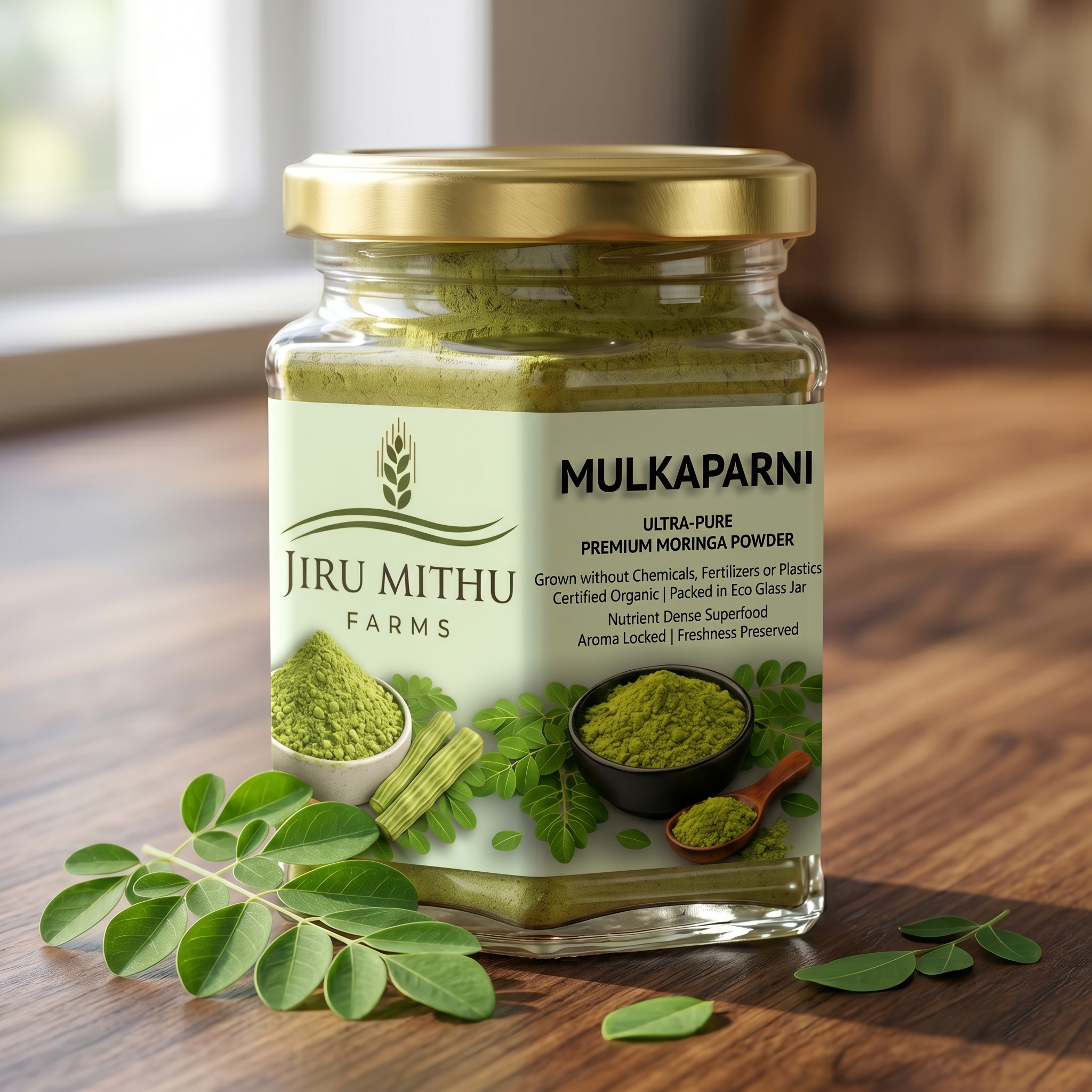
What is Moringa? The Complete Guide to the Miracle Tree — and MULKAPARNI
Moringa oleifera — the Miracle Tree. What's actually in it, who benefits most, how to use it daily, and why most moringa powder doesn't deliver what the plant is capable of.
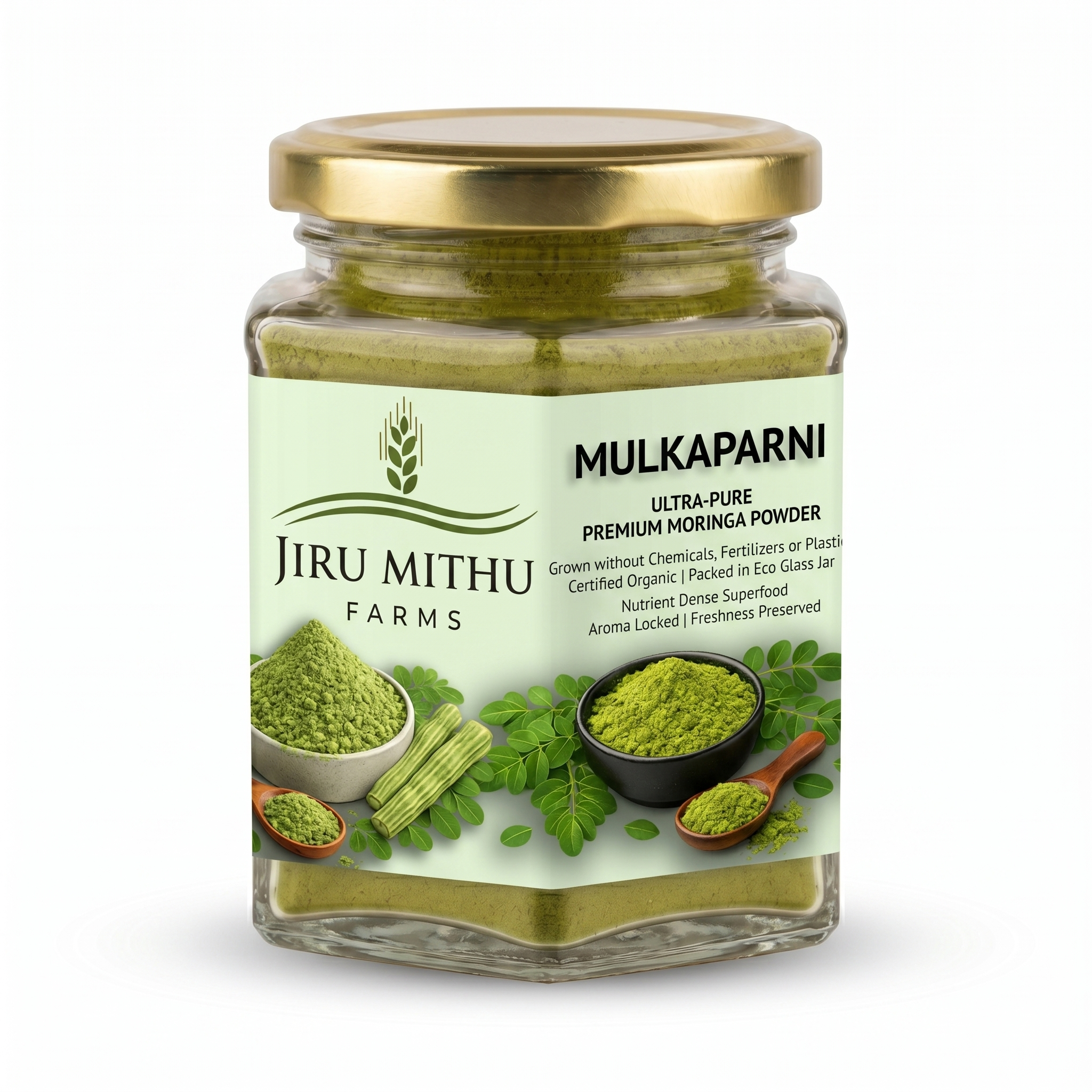
One Spoon of MULKAPARNI: What Moringa Actually Does to Your Body
Moringa has been called a superfood for decades. But what does the science actually say? And what does a daily teaspoon of MULKAPARNI actually do — week by week?
From the Farm