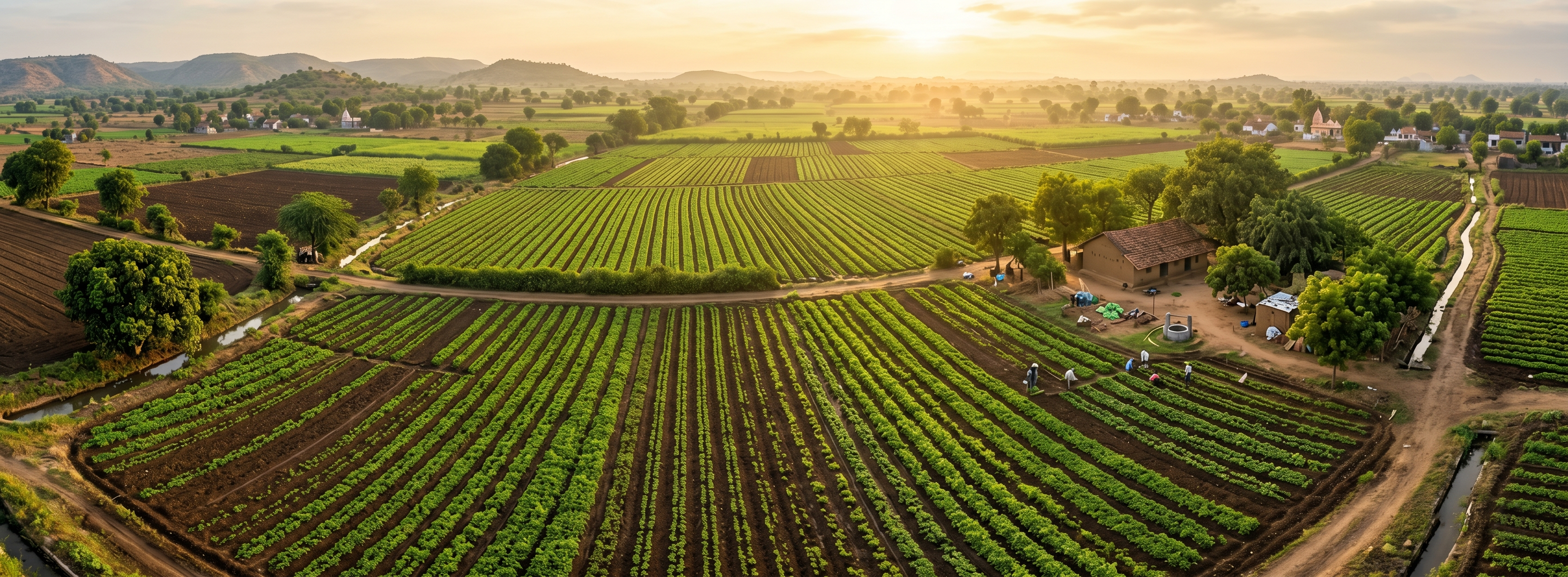
Our Philosophy
Why Organic?
Because What Grows in the Soil Ends Up in Your Body.
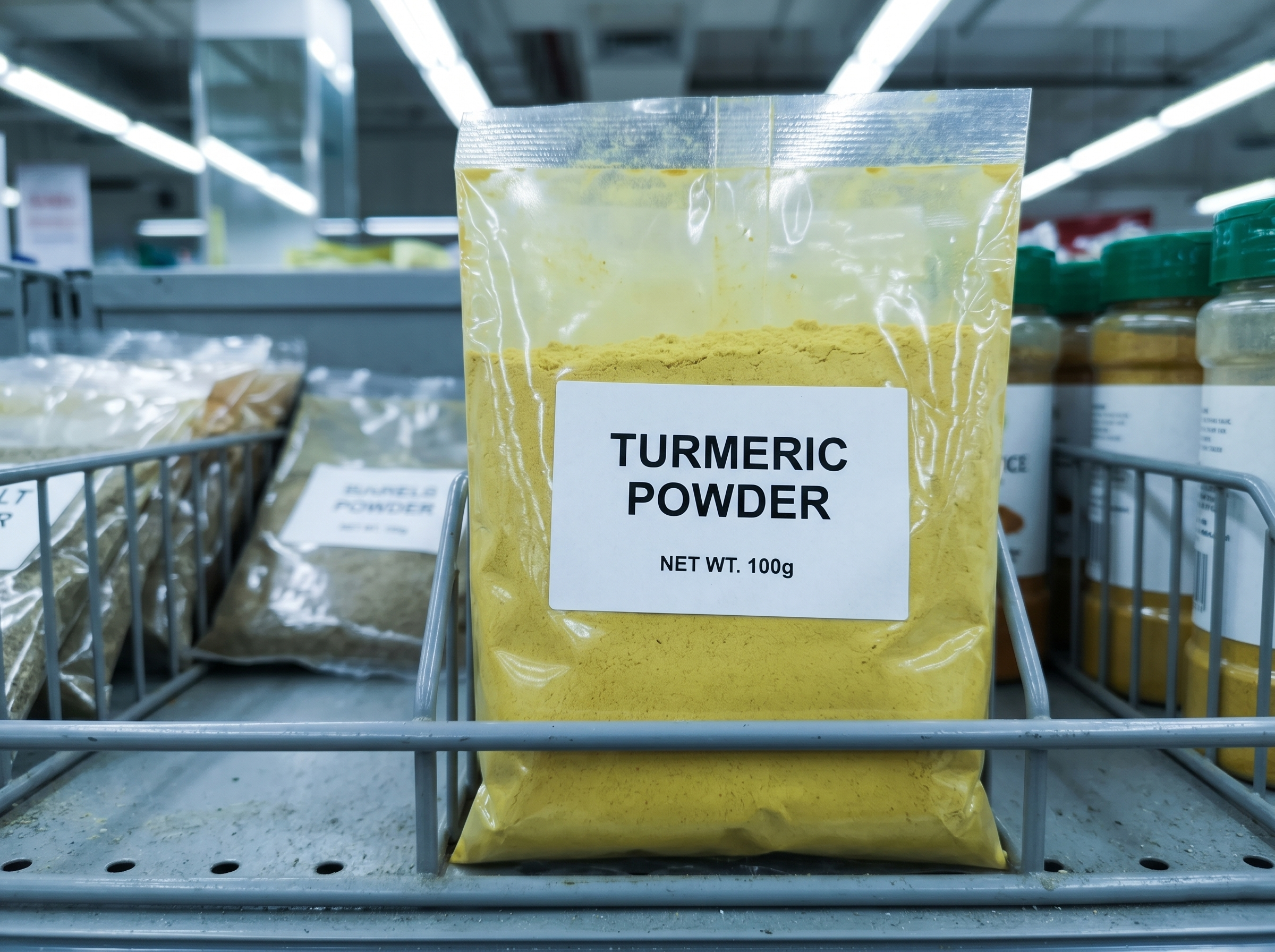
The Problem
What's Really in Your Spice Rack?
Most turmeric and moringa sold in India — including premium-looking packaged brands — is grown using synthetic fertilisers, chemical pesticides, and in some cases heavy-metal contaminated soil.
These residues don't disappear when the crop is harvested. They concentrate. They travel through the supply chain. And eventually, they end up in your kitchen.
When you add turmeric to warm milk for immunity, the last thing your body needs is a pesticide bonus.
Our Standard
"Organic" is Not a Label. It's a Way of Farming.
✅ We Do
- Natural composting
- Manual weed removal
- Sun-drying
- Stone grinding
- Glass packaging
- Batch-wise lab testing
- QR-linked transparency
❌ We Never Do
- Synthetic fertilisers
- Herbicides
- Machine heat processing
- High-speed industrial milling
- Plastic containers
- Blanket claims without proof
- Hidden ingredient sourcing
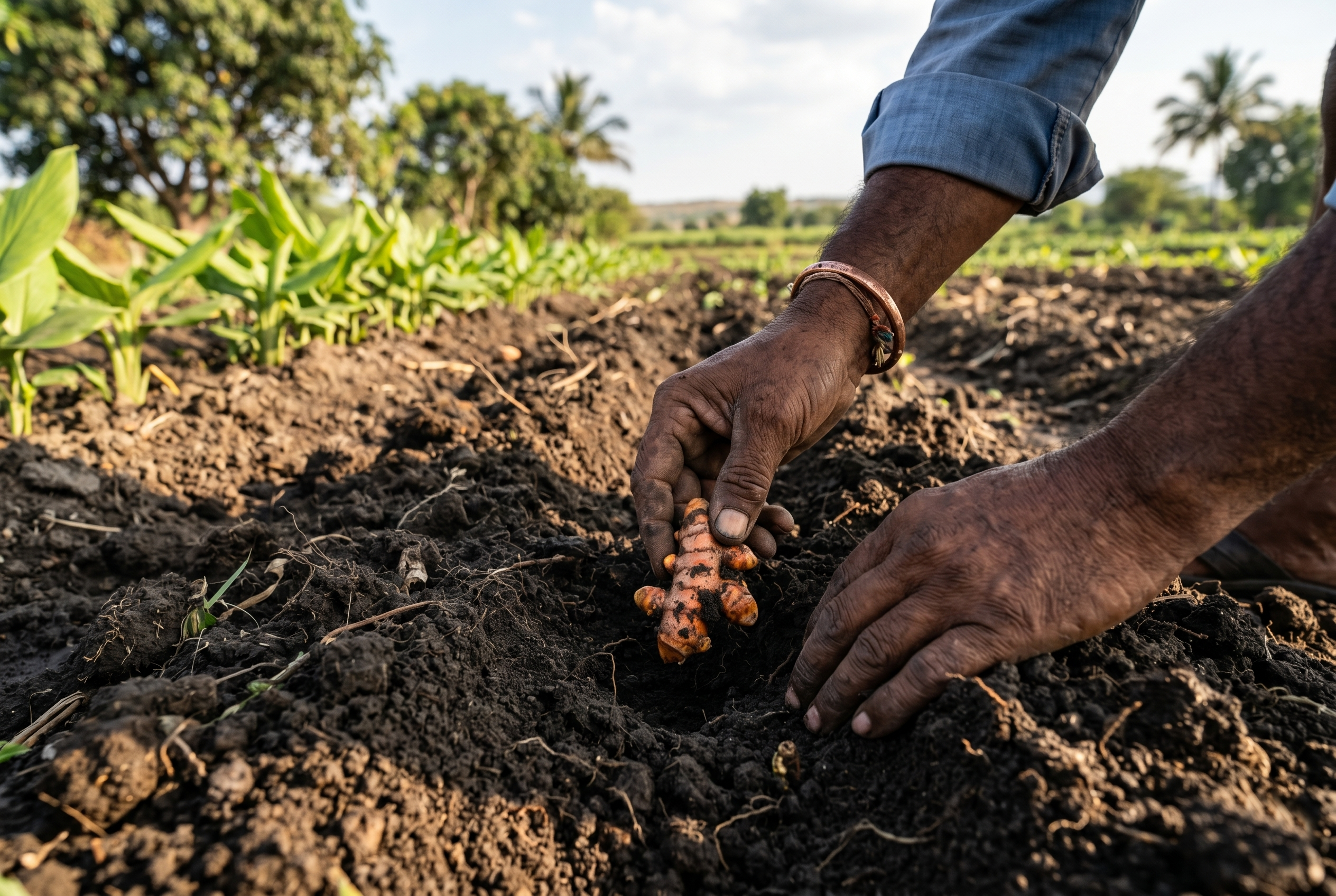
The Logic
Your Body is Not a Waste Bin.
Curcumin — the active compound in turmeric — is heat sensitive and chemically reactive. Industrial processing, even when using organic raw material, can destroy a significant portion before it reaches your jar.
Stone grinding at low temperatures preserves it. Sun-drying preserves it. Glass packaging preserves it.
We didn't arrive at these practices through research papers. We arrived at them through the simple logic of asking: "If we were buying this ourselves, what would we want?" The answer became our process.